
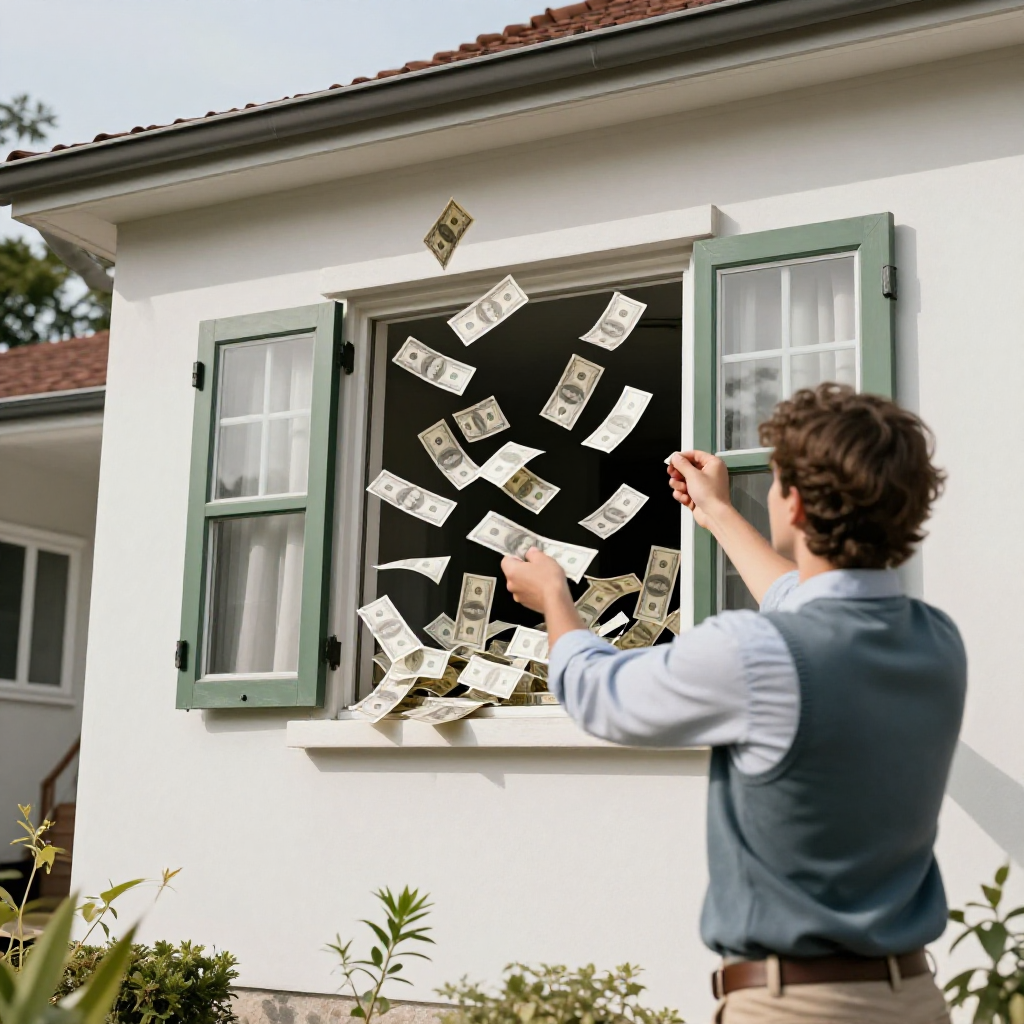
Selling a home in Savannah should be one of the most financially rewarding events of your life. For many homeowners, their property represents the single largest asset they own, and a well-executed sale can generate significant wealth. But a poorly executed sale? That can cost you tens of thousands of dollars, months of stress, and opportunities you didn’t even know you were leaving on the table.
I’ve worked with sellers across the Savannah metro, from the historic district to Pooler to Richmond Hill, and the mistakes I see are remarkably consistent. They’re not unique to any price range or neighborhood — they show up everywhere, from starter homes to luxury properties. The good news is that every single one of them is avoidable. Here are the ten most costly mistakes Savannah home sellers make, and exactly how to avoid each one.
Mistake 1: Overpricing the Home at Listing
This is the single most damaging mistake a seller can make, and it’s also the most common. The psychology behind it is understandable — you love your home, you’ve invested in it, and you want to test the market to see if someone will pay a premium. The market, unfortunately, does not care about your emotional attachment or your renovation receipts.
Here’s what actually happens when a home is overpriced: it sits. Days on market accumulate. Buyers and their agents start asking what’s wrong with it. Showings slow down. And when you eventually reduce the price — which you will — the home has already been stigmatized. Buyers who were interested in week one have moved on. The buyers who remain know you’ve been sitting and they negotiate harder.
Homes that are priced correctly from day one generate more showings in the first two weeks than overpriced homes generate in months. That early momentum matters enormously. The right strategy is to price based on objective comparable sales data, understand where the market actually is, and position your home to attract competitive interest from the start. A free CMA from a qualified local agent gives you that foundation.
Mistake 2: Hiring the Wrong Agent
Not all real estate agents are created equal, and in Savannah’s market, local expertise is not optional — it’s essential. I see sellers make this mistake in a few different ways: hiring a friend or family member who happens to have a license but doesn’t specialize in residential sales, hiring the agent who gives them the highest suggested list price (see Mistake 1), or hiring a big national brand agent who doesn’t actually know Savannah’s micro-neighborhoods.
What you want in a listing agent is someone who can show you a track record of actual sold listings in your price range and area, someone who communicates proactively and honestly, and someone whose marketing approach extends well beyond putting a sign in the yard and uploading photos to the MLS.
Ask candidates these questions: How many homes did you sell in my neighborhood or price range in the last twelve months? What is your average list-to-sale ratio? What does your marketing plan look like beyond the MLS? How do you handle multiple offer situations? The answers will tell you everything.
Mistake 3: Neglecting Curb Appeal
Buyers form their impression of your home before they walk through the front door. In some cases, they form it before they even get out of the car — or from the thumbnail photo on their phone while they’re scrolling listings at midnight. Curb appeal is not superficial. It’s the first chapter of the story you’re telling about your home, and if the first chapter is unappealing, many buyers won’t read further.
In Savannah’s climate, curb appeal issues are very specific. Overgrown vegetation reclaims yards faster here than almost anywhere in the country. Mold and mildew creep onto driveways, walkways, and siding. Paint fades and peels under the combination of heat, humidity, and UV exposure. Gutters clog with Spanish moss and leaf debris.
Before listing, walk your property as a buyer would see it for the first time. Power wash the driveway, walkways, and exterior surfaces. Fresh mulch in the beds. A coat of paint on the front door. Trimmed hedges and edged lawn. These are not expensive interventions, but they make a measurable difference in how quickly your home goes under contract and at what price.
Mistake 4: Skipping Pre-Listing Repairs
Sellers often adopt a “sell it as-is” mentality and assume buyers will just factor repairs into their offer. Sometimes that’s true. More often, it results in a lower initial offer, a painful negotiation during the due diligence period when the buyer’s inspector finds everything you already knew about, and potential deal collapse when the buyer gets cold feet.
The smarter approach is to do a pre-listing inspection yourself. Pay $300 to $400 to hire an inspector before you list. Find out exactly what condition your home is in. Then make a strategic decision: which items are worth fixing now, which can be disclosed and priced accordingly, and which are genuinely as-is? Going into the transaction with full knowledge is always better than being surprised by your buyer’s inspector report at the worst possible moment.
High-priority items in Savannah specifically include HVAC systems (buyers are very sensitive to the age and condition of AC units here — and rightfully so), roofs, and any moisture or water intrusion issues. These are the items most likely to kill a deal or require significant concessions if discovered during due diligence.
Mistake 5: Poor Listing Photography
In today’s market, your listing photos are your first showing. The vast majority of buyers see your home online before they ever schedule a visit, and the quality of your listing photos determines whether they put your home on the showing list or scroll past it.
I am consistently amazed at how many listings — including in higher price ranges — feature dark, blurry, poorly composed photos taken with a phone camera. These listings communicate one thing to buyers: the seller and their agent don’t think the home is worth presenting professionally. That impression, fair or not, affects what buyers are willing to offer.
Professional real estate photography is not expensive relative to what’s at stake. A good photographer will use proper lighting, wide-angle lenses, and post-processing to make your home look its absolute best. In Savannah, where so many homes have genuine architectural character and beautiful outdoor spaces, professional photography can dramatically improve your first impression. In higher price ranges, video walkthroughs and drone photography of the property and surrounding neighborhood add additional value.
Mistake 6: Being Present During Showings
I understand the impulse. You want to be there to answer questions, to point out features buyers might miss, to explain why the layout works the way it does. Resist it. Sellers present during showings make buyers uncomfortable. Period.
Buyers need to be able to move through a home at their own pace, have candid conversations with their agent, and emotionally imagine themselves living there. They can’t do any of that with the current owner standing in the kitchen explaining the water pressure in the master bath. The most consistent feedback I get from buyers’ agents when a seller is home during a showing is that the buyers cut the visit short and don’t spend the time they need to fall in love with the property.
When your home is listed, have a plan for where you and your family (and your pets) will be during showings. Make it easy for agents to schedule. The more accessible your home is for showings, the faster it sells.
Mistake 7: Letting Emotions Drive Negotiations
By the time you get an offer on your home, you’re emotionally invested in the outcome. When a buyer comes in below your asking price, or asks for concessions you weren’t expecting, it’s natural to feel offended. Some sellers respond by rejecting offers outright rather than countering, or by countering aggressively in ways that kill the deal.
Real estate negotiation is business. The buyer’s opening offer is a starting position, not a personal insult. What matters is whether there’s a deal to be made — whether the gap between what you want and what they’re willing to pay can be bridged through negotiation. A skilled agent keeps that negotiation professional, strategic, and focused on getting you the best achievable outcome rather than winning an argument.
Also important: understand what you’re actually negotiating. Price is just one variable. Closing date, who pays closing costs, what stays with the home, repair requests, and contingency terms are all negotiable. Sometimes a slightly lower price with favorable terms nets you more than a higher price with complications.
Mistake 8: Ignoring the Importance of Staging
Staging doesn’t mean renting a houseful of furniture and spending $5,000 before you list. It means presenting your home in a way that allows buyers to see its potential clearly. It means decluttering aggressively, depersonalizing the space (buyers need to imagine their life there, not yours), ensuring every room has a clear purpose, and optimizing the flow and feel of the space.
In practice, most sellers need to remove about thirty to forty percent of what’s currently in their home before listing. Closets that are crammed full communicate insufficient storage. A dining room being used as a home office communicates that the floor plan doesn’t work. A garage full of boxes communicates that the house doesn’t have enough space.
I walk every seller through a pre-listing preparation checklist and a room-by-room assessment of what needs to change. In most cases, the interventions are not expensive — they’re just intentional. And properly staged homes consistently sell faster and for more money than their unstaged equivalents.
Mistake 9: Not Understanding the Net Proceeds
Too many sellers focus exclusively on the sale price without fully understanding what they’ll actually walk away with after all costs are accounted for. Then closing day arrives and the net check is significantly less than they expected, and they feel like something went wrong.
In Georgia, sellers typically pay: the real estate commission (negotiated with your agent), owner’s title insurance (which protects the buyer and is traditionally a seller cost in Georgia), prorated property taxes, any HOA transfer fees, state and local transfer taxes, and any agreed-upon concessions or repair credits from negotiations. Depending on your situation, you may also have remaining mortgage payoff, liens, or other encumbrances to satisfy at closing.
Understanding your estimated net proceeds before you accept an offer is essential for making smart decisions during negotiation. Ask your agent to run a net sheet for any offer you’re seriously considering. It’s a simple calculation that shows you exactly what you’ll pocket after everything is paid. Know your number before you sign.
Mistake 10: Choosing the Wrong Time to List (Without Understanding Seasonality)
Savannah’s real estate market has seasonal patterns that affect how quickly homes sell and at what price. Spring — roughly March through May — is historically the strongest selling season, as families try to close and move before the school year ends. Summer has activity but can slow in the peak heat of July and August. Fall is often underrated as a selling season, as motivated buyers who didn’t find what they needed in spring are still active. Winter tends to be slower, though serious buyers are always in the market.
This doesn’t mean you should wait until spring if you’re ready to sell now. It means you should understand the seasonal context and adjust your strategy accordingly. A winter listing in Savannah might benefit from slightly more aggressive pricing to attract the serious buyers who are active in the slower season, while a spring listing might have more room to test the upper end of your price range given higher buyer traffic.
The best time to sell is when your home is ready, your pricing is right, and your marketing is strong. Season is a factor, not a determinant.
The Bottom Line
Selling a home in Savannah doesn’t have to be stressful or leave money on the table — but it does require the right strategy, the right preparation, and the right agent in your corner. Every mistake on this list is avoidable with the right guidance and the right mindset going in.
If you’re thinking about selling your Savannah home and want an honest conversation about what it’s worth and what a well-executed sale looks like, reach out. I’m at christopheradams.com or 912-661-2079.
Christopher Adams Realtor®
Cell: 912-712-1919
chrismichaeladams@gmail.com
Keller Williams
Lic#452436
329 Commercial Dr, suite 100 Savannah, GA 31406
Brokerage Phone:
912-356-5001